



Cookie Preferences

By clicking, you agree to store cookies on your device to enhance navigation, analyze usage, and support marketing.
More info.Thank you! Your submission has been received!
Oops! Something went wrong while submitting the form.


For small practices, growth often comes with tough trade-offs like longer wait times, overworked teams, or missing out on revenue. Liz Murphy found another option: Using partial-day relief shifts on Roo to expand appointment availability, reduce ER referrals, and stay profitable.
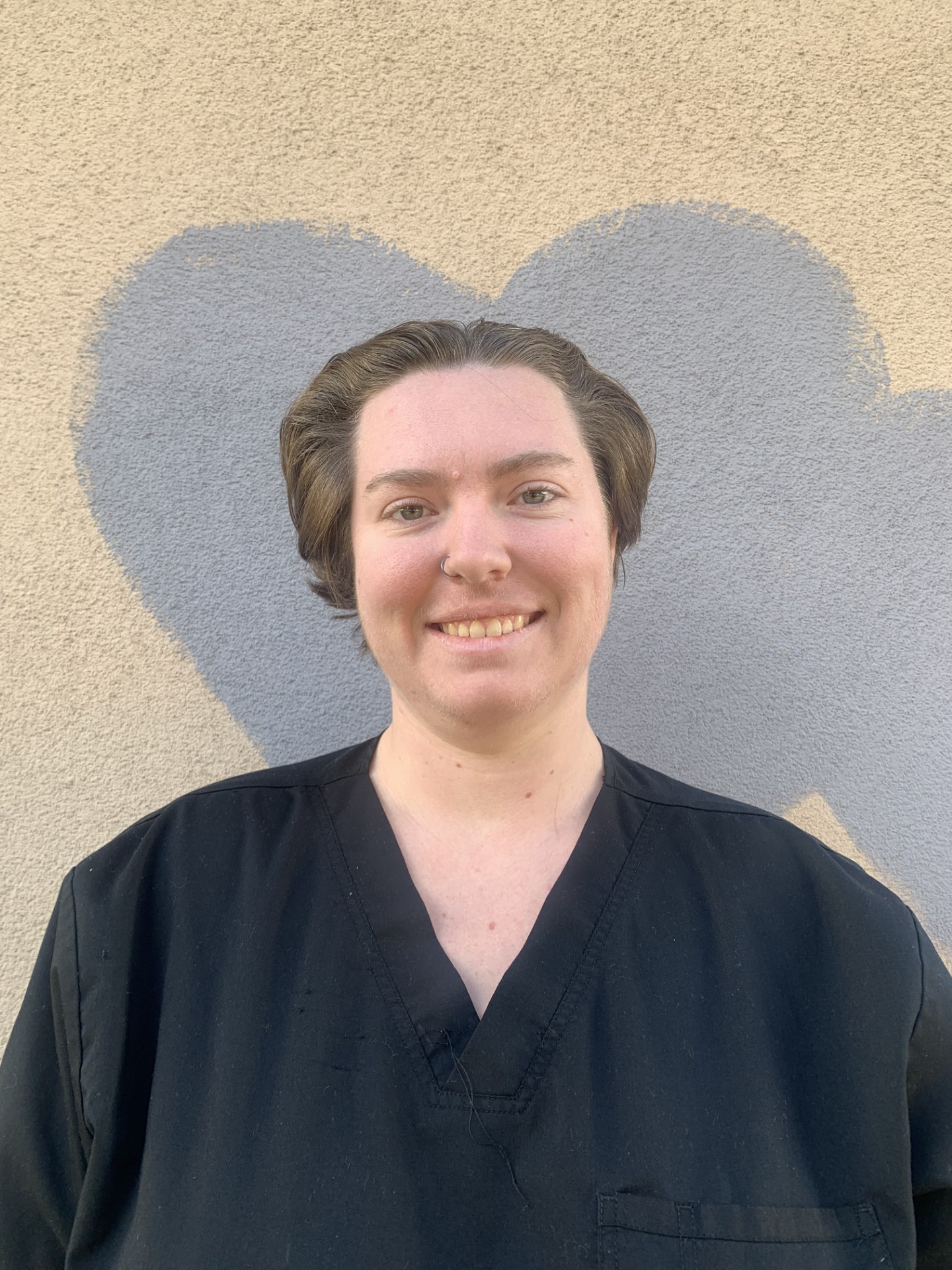

Liz Murphy, Practice Manager at AllCare Veterinary Hospital in Pacifica, California, originally turned to Roo for a familiar reason, coverage for when their primary Veterinarian was on vacation or attending continuing education events.
But as client demand grew, relief staffing quickly became something more than a backup plan. Over time Liz and her team began using Roo proactively to keep up with increasing appointment volume, and were able to expand access to immediate care without overextending their core staff.
“Over the past year and a half now, we’ve been using Roo as a way to keep up with our client load.”

AllCare and Liz used partial-day relief shifts, often stacking morning and afternoon coverage, to meet rising demand. This rotating relief approach effectively created a two-doctor practice while preserving flexibility and driving additional patient volume.
Partial-day shifts opened the door to a wider range of relief Veterinarians who appreciated the flexibility when their schedules did not align with traditional full-day expectations but still allowed the hospital to add meaningful appointment capacity.
“Giving [Vets] the option of working a partial shift gives them the freedom to be able to balance personal and work schedules.”
While bringing in additional Veterinarians always comes with a cost, Liz found that partial-day shifts through Roo allowed the hospital to remain profitable by matching staffing levels to actual demand, and keeping her staff happy.
That flexibility proved especially valuable for Veterinarians balancing family responsibilities, personal appointments, or research commitments. For Liz, the goal was not only to attract high-quality relief Vets, but also to maintain the hospital’s expectations around top quality care.
The hospital took a thoughtful approach to building consistency with relief Vets, often starting with a trial shift to ensure culture and practice style were a good fit. Strong onboarding and hands-on support from the hospital’s staff made all the difference. Liz credits her team for creating an environment where Relief Vets feel welcomed, supported, and fully integrated into the day’s workflow, which has led many Roo Vets to return regularly.
As capacity increased, so did the hospital’s ability to meet client needs. Instead of having to send clients to ERs or schedule surgeries weeks away, in-house hospitalization and same-day surgeries became more common, and wait times shortened. For patients, that meant faster care and more continuity with a team they already trusted.
”Clients are happier because they're not just being outsourced to the ER where we were previously booked out two to three weeks in advance…the patients are being seen on a quicker basis, but still receiving the top quality care that they have always been.”

From a business standpoint, this model has proved sustainable. Adding more appointments using relief kept AllCare Veterinary Hospital profitable. Without those shifts, they would have missed out on revenue opportunities and the client base would not continue to grow as it has..
Today, partial-day relief shifts remain a critical part of her hospital’s strategy. They provide flexibility in an evolving labor market, support work-life balance for Veterinarians, and allow her hospital to grow at a pace that feels responsible and doesn't overextend her team.
When asked what advice she would give other hospitals considering Roo or experimenting with partial-day shifts, Liz does not hesitate.
“It’s worth it. It’s one hundred percent worth it.”


