

Cookie Preferences

By clicking, you agree to store cookies on your device to enhance navigation, analyze usage, and support marketing.
More info.Thank you! Your submission has been received!
Oops! Something went wrong while submitting the form.



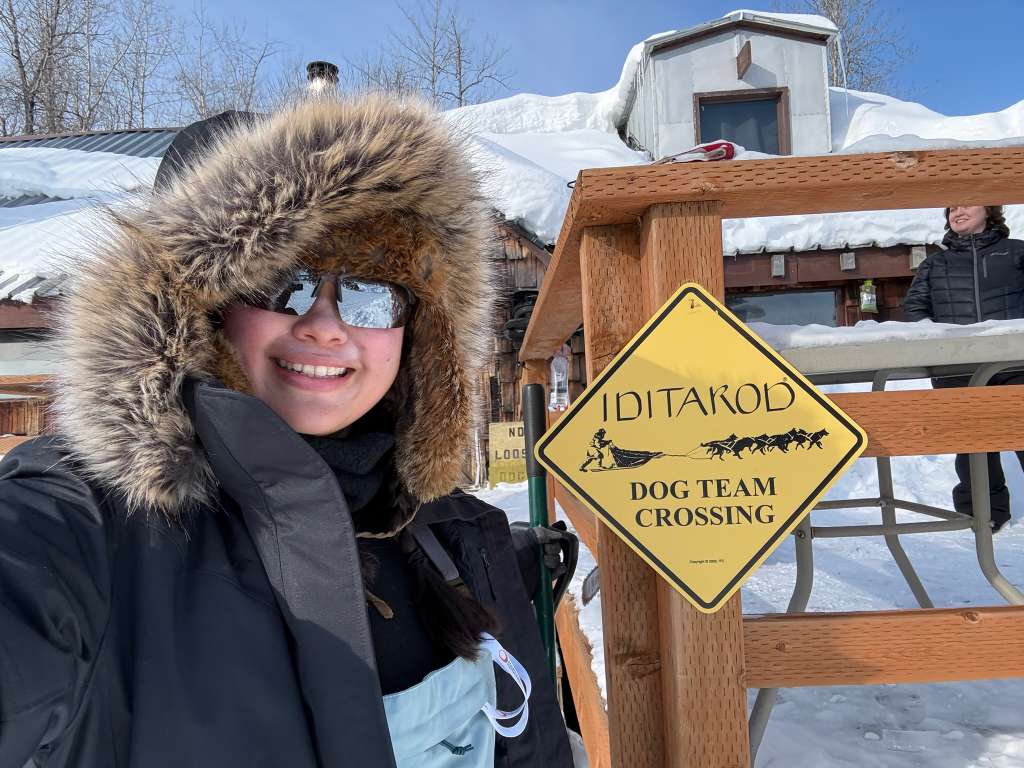

As a Relief Vet, I get the opportunity to have variety in my life, and I get to punctuate it with these really amazing experiences that are both professionally and personally significant.
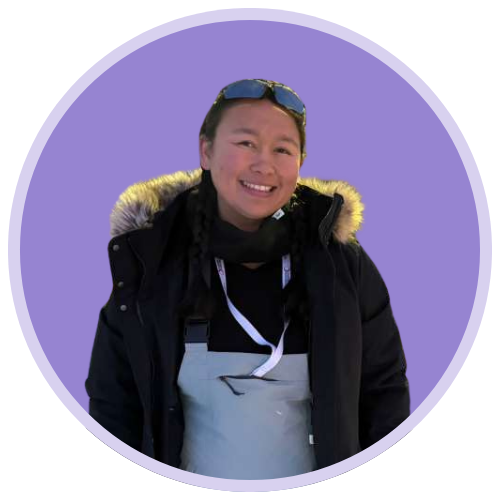
High above the Alaskan tundra, Neda closely monitored the husky's labored breathing. Squished in the back of a bush plane with the IV fluid line threaded under her jacket to prevent it from freezing, Neda noticed the dog's breathing rate creeping up and up as they ascended over the Alaska Range.
She could see it clearly as she charted the dog's breaths: The altitude was challenging the lungs of a dog already struggling with pneumonia. With just a few supplies and her wits about her, it was up to Neda to get this dog to Anchorage for the critical care it needed.
“Neda Othman, Veterinarian.” Those were the words printed in her fifth grade yearbook. Most girls born under the California sun don’t dream of practicing veterinary medicine in -46 degree temperatures. Neda had always been exceptional.

“My second grade teacher was the first person who introduced me to the Iditarod. And I have been wanting to become a vet since.”
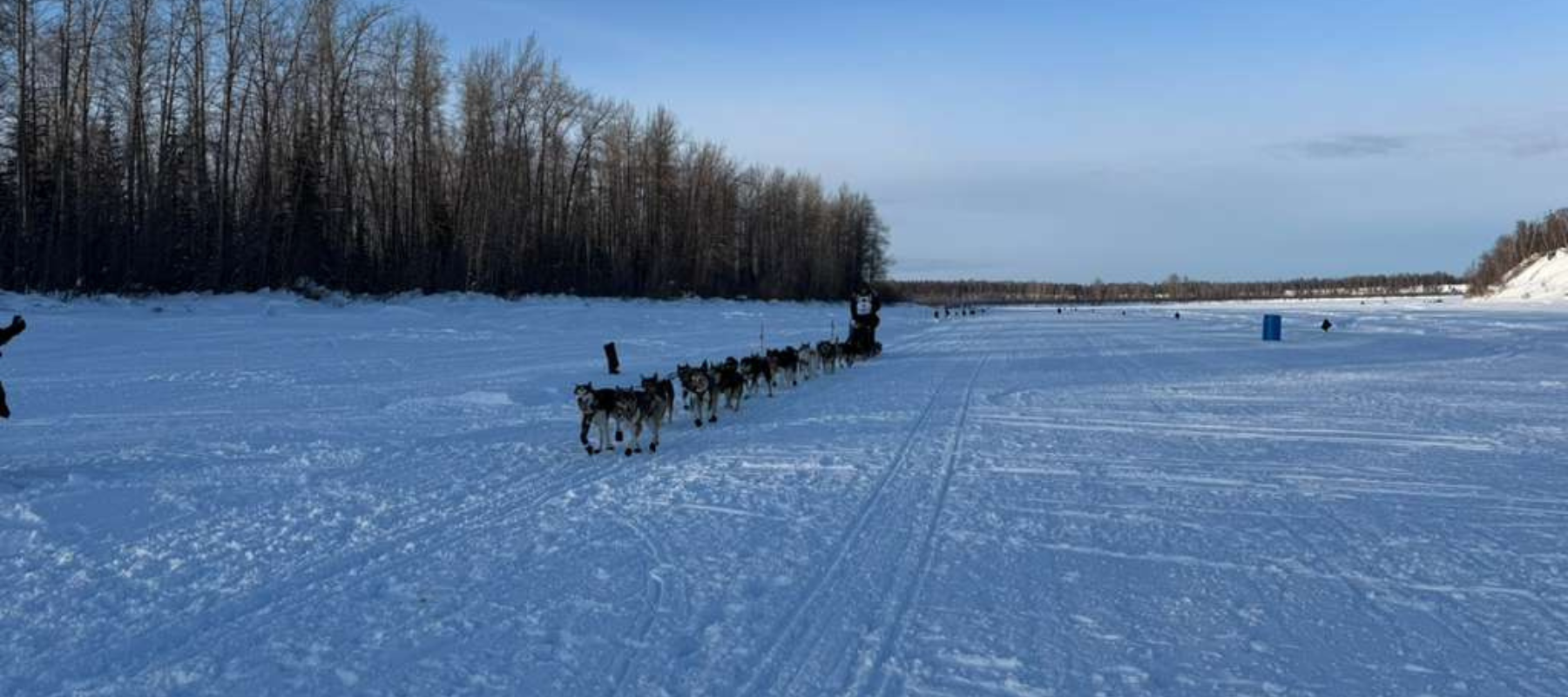
The Iditarod, as Neda describes it, is the Olympics of sled dog racing. The international race is the most iconic canine sporting event in the world, featuring teams of huskies pulling sleds over 1,000 miles across the Alaskan wilderness each March, typically taking around 10 days.
The event honors Alaska’s historic 1925 Serum Run, when a team of sled dogs saved a remote village from diphtheria by transporting a vital antitoxin when other modes of transportation were not an option.
With over 500 dogs involved, they need talented Veterinarians adept at working in freezing, remote environments.
Even after earning her DVM degree, Neda’s dream was still a long shot: Competition is fierce to become a Trail Veterinarian, and the ten day minimum commitment is a non-starter for many Associate Vets with limited PTO.
After graduating, Neda practiced in Japan, supporting military working dogs in the Army. She trained to deliver veterinary care in austere and remote environments with limited resources, gaining the skills needed to be an Iditarod Vet.
When she came home, however, it was time to do what nearly every Vet (of the medical variety) does: She found a full-time role at a clinic she felt was a good fit.
Only, the lifestyle wasn’t a good fit for her. The hours were long, she had little flexibility to take time off, and time with her family was limited. “My schedule was very demanding,” she said of the experience. She was frequently on call, often asked to work weekends, and then had to go straight back into work on Monday. “It was an easy path to burnout.”
The deal breaker was when she was told that as long as she worked at that hospital, she wouldn’t be able to work the Iditarod.
Neda had a choice to make. She chose not to let her dream fade.
You ultimately make more per hour. So you can work a few less shifts to make the same or more money. And that just frees up so much more time.
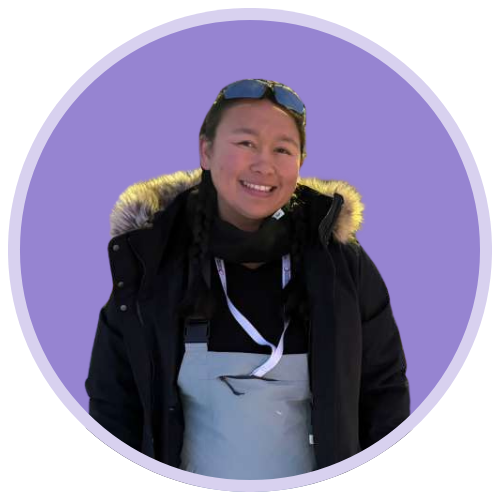
Variety is what drew Neda to relief to begin with. She gets bored with repetition and relief work offers new experiences with every shift.
When she finally left her associate role for a full-time relief career, the diversity of her work exploded: Every day was a new adventure. She was working in different states with different people across different specialties such as emergency, urgent care, and shelter medicine.
“Once I switched to being exclusively a Relief Vet, I felt total control over my schedule, I could take way more time off… and because of that, I’ve gained so much quality time with my family.”
At long last, she could pursue her dream since she was eight: the Iditarod.
Now, she could truly begin climbing the mountain. Impressively, Neda was accepted as an Iditarod Vet on her first application. Her time in the Army combined with her relief career had given her the perfect mix of experience to stand out from the crowd. But paying for extreme winter gear and training materials would be its own struggle, costing more than $2,000 out of pocket.
The great thing about working at all those different hospitals are the relationships you make along the way. Many people think relief professionals are just going wherever the wind takes them, but many Relief Vets actually prefer to foster strong relationships with a handful of clinics (and their patients).
For Neda, this was Animal Clinic of Benicia, just six minutes from her parents’ house in her home town. It was certainly convenient. She could stay at her childhood home with her parents looking after her kids while lining up a series of high-paying California shifts. But it was the people who made this the perfect hospital.
Over time, she created close connections with the Vets and team members who worked there. They were so inspired by Neda’s story, they decided to do something truly special: They helped Neda get the supplies she needed for her Iditarod kit so her dreams could come true.
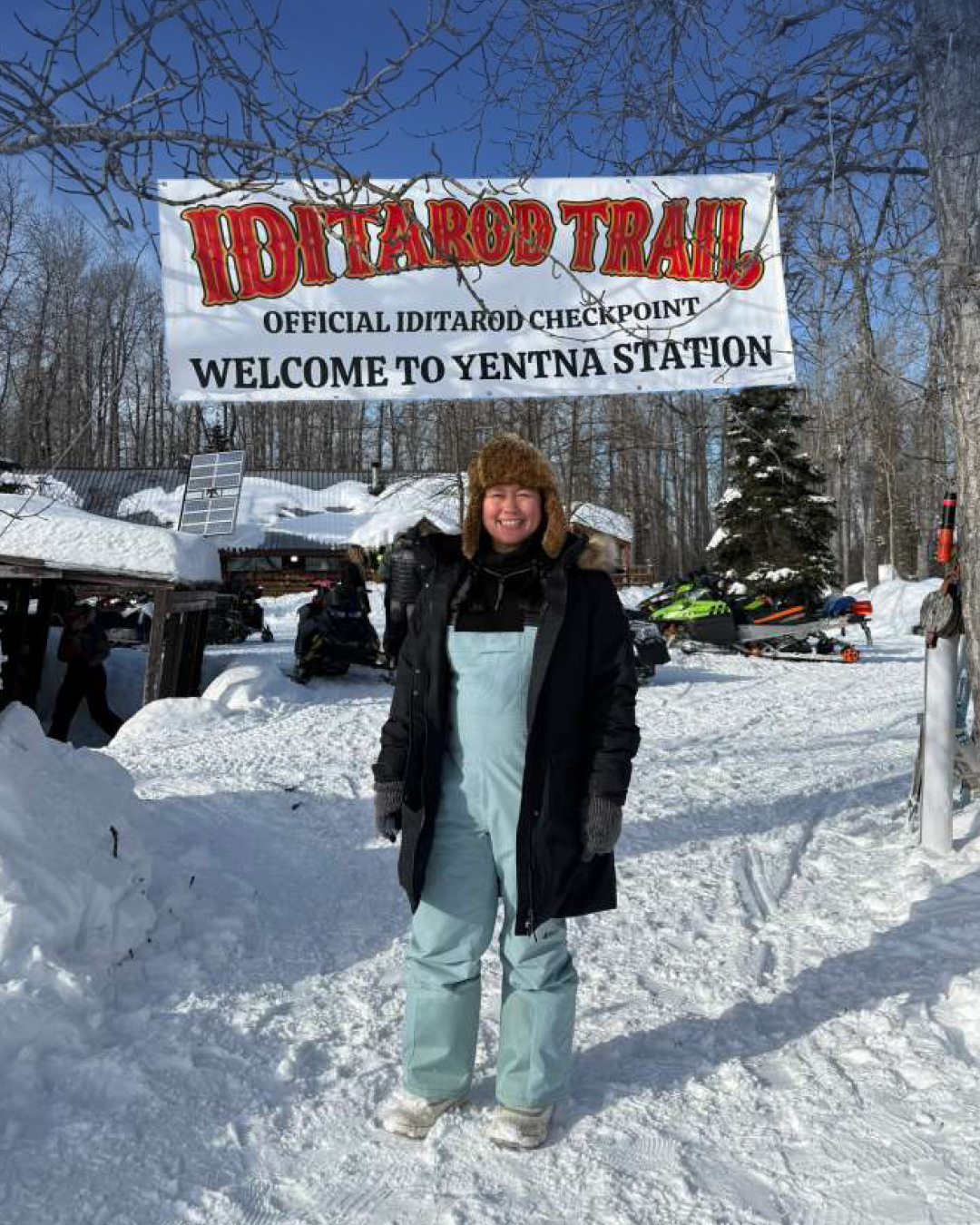
Neda has been a Roo Vet for two years, and this March was her first year working the Iditarod. A dream come true.
The race is over 1,000 miles long with Veterinarians stationed at dozens of checkpoints along the way. When the sled teams come through, Neda, and sometimes just one other Vet, must examine all 500-plus dogs. Only when she signs off can the teams get back to running the trail. Then, it’s off to the next checkpoint, via small plane or snowmobile. Because where they’re going, they don’t have roads.
Sometimes, teams come blazing through. Other times, they take a much needed break, and Neda gets more time with her patients. Over the month on the trail, she witnessed the deep bond the mushers (a.k.a. the team humans) share with their dogs and each dog's enthusiastic passion to run. She also experienced the deep roots of the Alaskan community in remote villages far beyond the reach of roads.
In just one year working the race, Neda treated frostbite, leg injuries, even lacerations from a moose attack. Certainly, variety is no issue in Alaska.
This year, a dog arrived at Neda's checkpoint with a cough. After a physical exam, early pneumonia was suspected, and the dog was pulled from the race. To receive proper treatment, the dog would have to be flown by bush plane to their critical care facility in Anchorage.
Neda charted the dog’s breathing as they flew. When the miniscule aircraft rose to clear the mountain range, Neda noticed the dog’s condition getting worse. Its respiration rate and effort to breathe were increasing as the plane climbed, far outside the normal range.
Then, Neda realized what the problem was: the altitude. Bush planes don’t maintain pressure like a commercial airplane does. The low pressure was making oxygenation even harder for the dog that was already struggling to breathe.
“Can you fly lower?” she asked the pilot. The pilot brought the plane closer to the ground… and the dog’s breathing improved. Then, it was Neda’s turn to breathe a sigh of relief.
“It's not just the Iditarod. If I wanted to, I can participate in Alaska Rural Veterinary Outreach where we go into villages that are in really remote locations and provide low or no cost care.”
Dreams do come true. And as Roo Vets go, Dr. Neda Othman is one of the best.
.jpg)